Featured

What is a music therapist?

Not so long ago I watched a TED talk by an American music therapist, Erin Seibert. One minute in and I’m nodding eagerly at the screen in agreement with Erin’s opening to the talk. That is, if told you I was a musician, you’d know roughly what it is I do. Similarly, if I told you I was a therapist, you’d understand to an extent what it is I do. Combine the two into one professional title and there is suddenly a mass of confusion. When I tell people I am a music therapist, they will typically exclaim how “fun” that sounds and envision me in hospitals taking around iPods like “that man they saw on YouTube who came alive when listening to Sammy Davis Jnr”. That, or they visualise me singing the hits of Vera Lynn to the elderly. So what is a music therapist?

I thought a great starting place for this blog would be to tell you a little more about music therapy and perhaps give you some insight into what a music therapist actually does. The profession and training does differ considerably around the world so in relation to my own experience this account will only outline how the profession operates in the UK.

Music therapists typically have a music undergraduate degree or are highly experienced performers with an alternative undergraduate degree. In order to become a music therapist you need a Masters degree in Music Therapy. Upon satisfactory completion of the masters training course you are able to register with the Health and Care Professions Council (HCPC). What on earth is that you might be thinking? The HCPC are a regulating organisation and they exist to protect the public by regulating 16 health and care professions in the UK including Chiropodists, Dieticians, Occupational Therapist, Paramedics, Physiotherapists and Social Workers amongst others. The HCPC set professional standards for these professions, keep a register of professionals and take action if professionals on this register do not meet their standards. Any of the professional titles regulated by the HCPC are protected by law and you must be registered to use them. In essence, regardless of how you may use music to improve health and well-being, you cannot call yourself a music therapist unless you are registered with the HCPC and fulfil all their registration criteria.

I trained on a psychodynamic course which means alongside music making techniques I have studied psychological theory. How does that relate to music you may ask? Basically this is a belief that there are both conscious and unconscious processes going on within a Music Therapy session and that music can aid the expression of both of these processes (google “psychodynamic music therapy” for a more extensive explanation!). However, some training courses in the UK do not follow this approach.

So what does a music therapist do? This is a tricky question to provide a short answer for but my explanation is that we are an alternative psychological therapy who, as skilled musicians, encompass all aspects of the medium of music in order to benefit the clients wellbeing. Part of our skill is to select the appropriate use of music. This is more or less limitless but these are some ways in which the medium of music could be used in a music therapy session:

  • Co-creating improvised music through use of musical instruments and/or voice
  • Exploration of recorded music or “known songs”
  • Writing lyrics and/or creating a song
  • Analysing song lyrics
  • Utilising music technology

What actually happens in a session will depend on the client group, setting and skill set of the music therapist.  For example, a colleague of mine is a flute player. I am a vocalist, pianist and guitarist so likelihood of seeing a flute in one of my sessions is pretty slim. Each music therapist usually has their own specialities and areas of expertise, dependent on their background and what kind of clients they work with. It is also not unheard of to find music therapists leading music activities such as choirs or informal singing groups. We must also take into consideration music therapists who work in areas such as autism or brain injury where a client may not be able to explicitly express a goal for their sessions. This work would be very different than say working with a school aged teenager with anxiety.

Ultimately a music therapist is there to guide and support their clients in determining which use of music will best support them in the session or the setting in which they work. This occurs through development of a relationship between client and therapist: the therapeutic relationship. If you’ve ever seen a therapist or counsellor yourself then you might recall being quite nervous to begin with, unsure what to share or if you should at all. Music therapy could be perceived to be the exact same way. As the therapeutic relationship develops, so do the sessions.

I want to conclude this post with a little description of some of my clinical work in hope this will provide some insight into how music is used in sessions. For confidentiality reasons I do not refer to the clients by any distinguishable details. 

In the first example, the client was living with a terminal diagnosis of cancer. They self referred to music therapy hoping to process and understand their impending death. The client preferred to verbally process a lot of their feelings so we would often spend half of the sessions talking. As our relationship developed, I could sense the client had a lot of inbuilt anger they were uncomfortable expressing to others. The client felt they put on a smile in public to hide their true pain and fear. In the process their unexpressed emotions lay dormant and unresolved. 

In the sessions we used an array of musical instruments and improvised together. The client typically chose things that could make the most noise: drums, rainmaker, piano. In one session I remember the client absolutely bashing the piano but within that there came the revelation: “I’m so angry!” the client said. Valuable discussion erupted from these improvisations. In this example it could be perceived the client was able to express and process an emotion within the music which they otherwise struggled with.

The second example is very different. The client was living with dementia and was refusing almost all social interaction. Day to day the client did their own thing. They usually sat in a chair, isolating themselves from any exterior noise, occasionally stopping a bystander to ask for a drink or a biscuit. I used to envision a snow globe. In the clients world it was as if anything outside of that globe was non existent. They could be in the noisiest room and they’d still be staring into space from their chair like nobody else was there. That is, until they heard my singing voice. 

Our relationship developed from the song ‘She’ll be Coming Round the Mountain’. It was almost our hello. I’d begin singing and before long the client would be tapping their thigh, raising their arm and exclaiming ‘lovely!’ The client would whoop, cheer, laugh and begin joining in themselves. It was like it was a different person. Music connected the client and I with my singing voice seemingly becoming a familiar friend. The client would hold my face and shout in ecstasy “Beautiful!”

In these sessions, a lot of familiar songs would occur between us but for this client, those songs were the tool needed for engagement. As our relationship developed I began bringing instruments which the client would explore. The client would usually continue in an elevated state after the sessions for up to an hour, singing and laughing to themselves, sometimes beckoning others over and engaging with them. In this example, I perceived music as a social instrument. Although, interestingly recorded music never had much impact on this particular client, so there was certainly something about myself and our physical interaction which aided their engagement.

I hope this post has provided some insight into the profession. If anything, I think it helps highlight how the direction of the therapy comes from the dynamics between the music therapist and client. Ultimately there is not one set way in which a music therapist works but certainly where words fail… music speaks 😉
How dramatherapy helped me

While training as a music therapist I was required to attend personal therapy for the duration of the training course. I spent about one year with a talking counsellor. I decided it was not for me as I could not clearly identify its benefits and I was even beginning to resent attending. Looking back I realise it was an important learning curve for me. Not all therapy is destined to succeed. I think it is important when looking for a personal therapist to keep in mind that you need to find the right kind of therapy and therapist for you. Do your research and trust your instinct to determine if it is the right fit for you.

Due to my background I had a loose awareness of alternative psychotherapy, particularly those with a creative edge; music therapy, dance psychotherapy, art psychotherapy and dramatherapy. I was particularly drawn to the idea of dramatherapy as I thought of acting and props: the word drama had positive associations for me. I think most people come to these types of therapies for the same kind of reason even if what they entail is nothing like you imagined. Typically these therapies are a little more expensive than CBT or other counselling so what do you exactly get for your money?

Speaking from the dramatherapy perspective, it is just like seeing any other counsellor except as well as being able to verbally share things, there are creative tools at your disposal as well as the choice to explore things with movement if that is your wish. In dramatherapy you might find tools such as props, puppets, costumes, recorded music, art supplies, musical instruments etc. There is no generic approach to dramatherapy. It rather depends on the training of the therapist and their own style and background as a therapist. Typically, as in counselling sessions, you may have something very specific you want to address or you may want to see what emerges. In my opinion it is a great type of therapy where you want to look after your mental health but perhaps aren’t sure where to start. 

What I loved most about dramatherapy was the way in which things could emerge from use of the drama tools. This means doing a lot of work with unconscious processes. This can be very mind boggling at times because you may have no clue what is going on but it can also be a really freeing process.  

An early favourite of mine was “the box”. My therapist brought this every session: it resembled a vintage jewellery box, verging on a small treasure chest. It was full of all manner of little items. I might take something out of that which caught my eye and explore this aspect. Other times some of the objects would have associations which would prompt discussion. My therapist might also encourage me to feel around and go with an instinct of what I wanted to take out. She would regularly rotate and/or add new items.

For another creative example, in my early sessions I created a “storyboard” with my therapists guidance. It is as it sounds; the tool in which you might craft out an idea. It had all manner of symbols and “characters” on it which I had devised from scenarios given to me by my therapist. We explored each of these through movement, either embodying or aided by recorded music. I often hadn’t a clue what was going on. I’d go home very upset sometimes not understanding why, wondering if the therapy was having a negative impact. What I began to realise is I had actually acknowledged different aspects of myself subconsciously. I really began to understand my own mind and my reactions to different scenarios in life I had been finding difficult.

It is not all doom and gloom though. I have had some hilarious sessions like where my therapist and I embodied and enacted a vicious snake accompanied by the Taylor Swift song ‘Look What You Made Me Do’. The point? To explore the polar opposites of how we act to criticism/blame. Hate vs strength.

I have explored many issues with dramatherapy: sex, bereavement, trauma, sexuality and self esteem just to name a few.

As with any therapy the success relies on the relationship you have with your therapist: the therapeutic relationship. If you go in understanding this relationship will need to develop, you begin to expect less from your therapist and realise they are merely a guide to help you make more informed and better choices when you are struggling. The quicker you lose the expectation of being “cured” the quicker the real healing can commence. A good therapist will make you feel safe and you will learn to dance like nobody is watching and share the most ridiculous things on your mind without feeling judged. 

My sessions changed dramatically in 2 years. In the beginning I was often unsure what to do, waiting for suggestions from my therapist. By the end I was better at utilising the space and I took specific ideas in with me. I became particularly interested in the psychological aspects of our song choices so moved away from props into elements of dance psychotherapy utilising my own favourite songs. Dramatherapy allowed me to explore things I didn’t like talking about or acknowledging through its creative processes. Yet, at the same time the option is always there if you would rather just talk. I can honestly say it was one of the best things I have done for my own wellbeing.

A personal reflection of Dementia: An introduction for anyone

I’ve worked in a dementia care setting now for three years. When people find that out about me it’s not uncommon to get the head cock to the side, an emphatic sigh and a preconceived idea that I must use music to “bring people back to life”. I have never quite understood that phrase though; does living with dementia mean you will become lifeless? And where am I bringing them back from? Aren’t they right there in front of me? Ok, it’s not a completely crazy presumption given the nature of some of the content on social media relating to dementia. Nonetheless, it has certainly highlighted to me how misunderstood the disease can be.

A few days ago, a colleague and I were chatting about the Ryan Gosling movie ‘The Notebook’. Previous to my work in care this was the only time I had really come across dementia. If you’re not familiar with the movie, the basic premise is that an elderly lady, Allie, lives in a care facility and is depicted as having complete memory loss of her past. She is visited daily by her optimistic husband (Ryan Gosling’s character) who recounts their life story every visit, hoping it will restore her memory or “bring her back”, even for a moment. Sometimes she remembers everything, other times Gosling’s character leads Allie to feel angry, confused, agitated and upset until the point care staff dramatically intervene. The movie largely focuses on their youth and how their love story plays out.

The type of dementia is never defined in the movie so it’s hard to theorise over accuracy of the portrayal. Nonetheless, despite some questionable scenes I think the dramatisation captures many things well. Certainly, the reality of care work where on a daily basis health workers deal with a full range of emotions and/or behaviour challenges that can change at a drop of a pin. It requires a real adaptability to work in this profession. I also like how the movie portrayed the array of emotions Ally feels and how this contributes to her agitation and confusion. It is often difficult to know how it might feel to live with dementia and I thought this aspect of the dramatisation gives some useful insight into how emotions remain prevalent. We also see the effect it has on the whole family as Ally is portrayed as unable to recognise any of her immediate family; a bittersweet nod to the fact that dementia can be so devastating to many connected to the individual.

What I was a little stumped by was the scene where Ally is sedated via an injection. It would be quite unusual to come across a scene in an elderly care facility where an individual is being sedated so dramatically and in this way. I suspect the purpose of this scene was to add dramatic effect for entertainment purposes. So is the movie inaccurate? Not necessarily but it certainly does not represent all experiences of dementia…

Since acquiring my own experience in dementia care I can look back on this film now and confidently say that a diagnosis of dementia does not necessarily equate to the same experience. The first revelation I had in this profession is understanding dementia as an impairment which can range from the minor to the very extreme.  That is, not everyone has memory problems to the same degree. Having dementia does not necessarily mean you’ll fail to recognise the people around you.

What you might be surprised to know is that there are actually over 200 subtypes of dementia. That is, dementia is actually an umbrella term to describe a range of progressive conditions effecting the brain. 200 variations is quite a lot don’t you think? The most widely known one is Alzheimer’s Disease. So, yes, in essence, Alzheimer’s Disease IS dementia. A type of it anyway. With me so far?

When trying to understand dementia the best thing to keep in mind is how it is progressive and is a disease of the brain. Our brain controls all aspects of ourselves does it not? You may find it useful to take a minute to think about some of the things that might occur should your own brain not be functioning properly. What might happen if your brain couldn’t communicate to other parts of the body that you needed to use the toilet? 

Dementia is a progressive disease but the rate of progression is still rather unclear. Some individuals deteriorate very rapidly, while others could seemingly remain in a similar state of the disease for years. This is a complex area for me to explore but you may find it useful to look up specific information pertaining to a type of dementia should you wish to know more.

What you might be surprised to know is that there are types of dementia that hardly effect the memory at all. A rarer form but well documented is frontotemporal dementia. In this type of dementia, it specifically effects the part of our brain that contributes toward behaviour, personality and language. If you encountered someone with this type of dementia, you might not even realise it. What you might notice is a loss of a “filter”. That is, an individual with frontotemporal dementia could say quite hurtful or socially inappropriate things. On the flipside, they may also display behaviours you find quite humorous through their ability to “tell it how it is” or make quite naughty promiscuous remarks. Remember though, this is just ONE form of the disease out of over 200 variations.

With this in mind, I suppose what I would like you to take from my writing is that a diagnosis of dementia does not necessarily mean the individual will forget everything and everyone. In my personal experience my encounters with those living with dementia are seldom focused on restoring memory but rather about enabling the individual to gain back some of their individuality and control. In a music therapy capacity, I have worked with some individuals with very severe memory loss and cognitive impairment, yet at the essence of our sessions have been improvisation with percussion instruments and co-creation of our own songs. Sometimes familiar songs may feature but I would say these are bridges to further free improvisation, rather than a perceived limitation of working with someone with dementia.

While there is certainly a very welcome place in dementia for familiar music, work in this setting is no way limited to reminiscing about their young adult years. What has surprised me when working with older adults is how much interest they have in contemporary culture. On more than one occasion I have discussed my own favourite music and played examples, even initially surprised how many contemporary artists are known to them. One individual I used to see regularly knew a fair bit about Britney Spears and had even heard of Ariana Grande. They could also remember all the artists from the 70s and 80s their daughter used to listen to, such as Madonna, The Carpenters, Prince and Whitney Houston. So is dementia really about forgetting?

This is a tricky one to answer but I do think we can be presumptuous as a society assuming dementia solely equates to loss of identity and lack of memory. Nonetheless, forgetting certainly can be a major element and where dementia progresses to more advanced stages it can be sad and often dehumanising seeing individuals become unable to carry out basic everyday tasks. Furthermore, there are most definitely many other examples of dementia that present very differently, such as where individuals lose speech and language ability. If you have ever visited a care facility you may have encountered individuals that seem to just walk and walk, chatting to themselves about things that seem out of correlation with the present. I often ask myself, how would I feel if that was my parent or partner?

Dementia is indeed a very cruel condition but at the same time I hope through this post you are able to see that it’s a rather complex condition that doesn’t always have a clear or set outcome.

Sometimes people ask me for advice on how to cope with a loved one with dementia. It is hard to give generic advice when everyone will have such unique circumstances and concerns. All I can say from my experience in dementia care is to focus on what your loved one CAN do rather than what they can’t. I often find it is more useful to keep in mind that you can create new memories rather than focusing on the past. Maybe your loved one can’t remember the family photographs you have tried to show them but they can have a coffee and a laugh at funny cat photos with you. Sometimes eliminating that pressure to “remember” is often far more beneficial.

I also believe the great thing about music is that it can promote a connection. I see so many family members struggle to talk to their loved ones yet they come to a concert or a group singing activity and it becomes something they enjoy together. If your loved one is in a far more advanced stage of dementia there are ways to improve their quality of life through health specialists such as music therapists. They may also be susceptible to sensory resources specifically adapted for those living with dementia.

As the nature of this article has suggested, the scope of dementia is too big to be able to give specific advice to everyone. If you have been touched by this article or have any comments or questions, do feel free to get in touch.

Songs that give me strength

Just wanted to make a shorter post this time with a few songs that meant a lot to me when I was struggling. Some you might know, others you may not. Would love to know what songs have given you strength when you’ve needed it. Do let me know in the comments!

  • Glee Cast – Shake it Out

This is actually a Florence and the Machine song but I first came across it through the TV show ‘Glee’. This is a really nice acoustic trio version by Amber Riley, Naya Rivera and Jenna Ushkowitz. I just love the line ‘it’s hard to dance with the devil on your back’.

  • Jonny Lang – Red Light

Have you ever sat in traffic and began contemplating things about your life? This upbeat soft rock song might make a singer out of you.

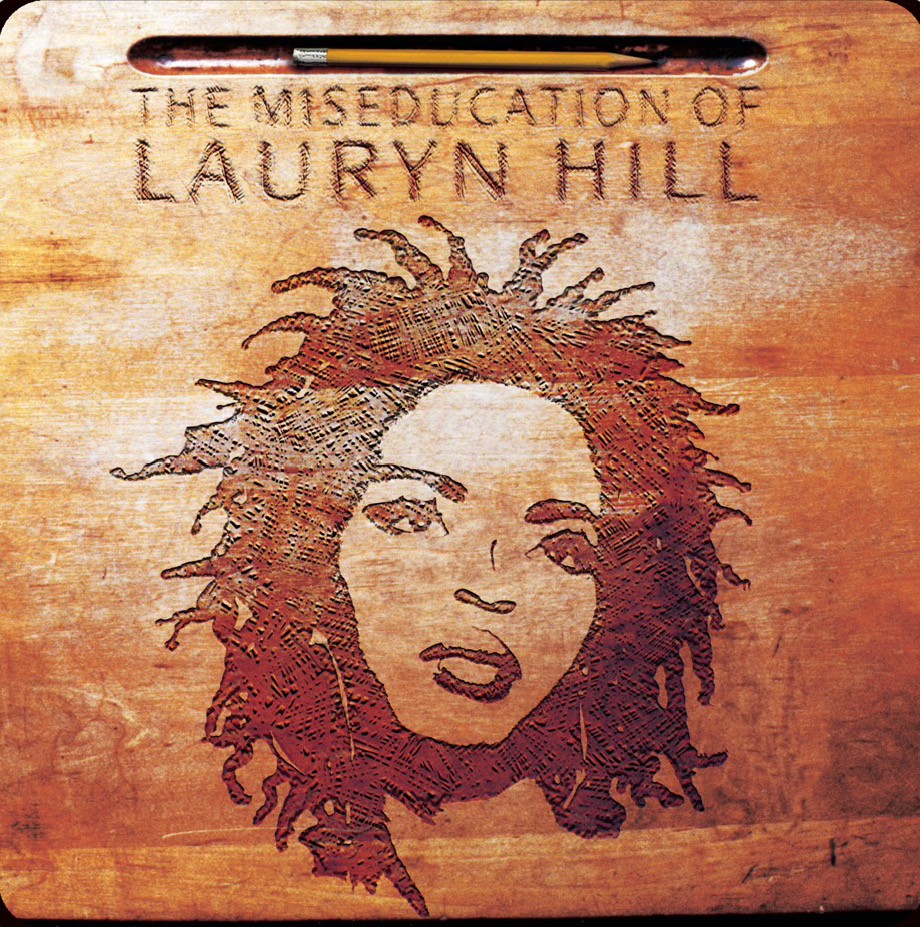
  • Lauryn Hill – The Miseducation of Lauryn Hill

The title track of a really important album in my musical background. Frequently seen on any list of ‘Greatest Albums of All Time’. Best line? ‘I made up my mind to define my own destiny’.

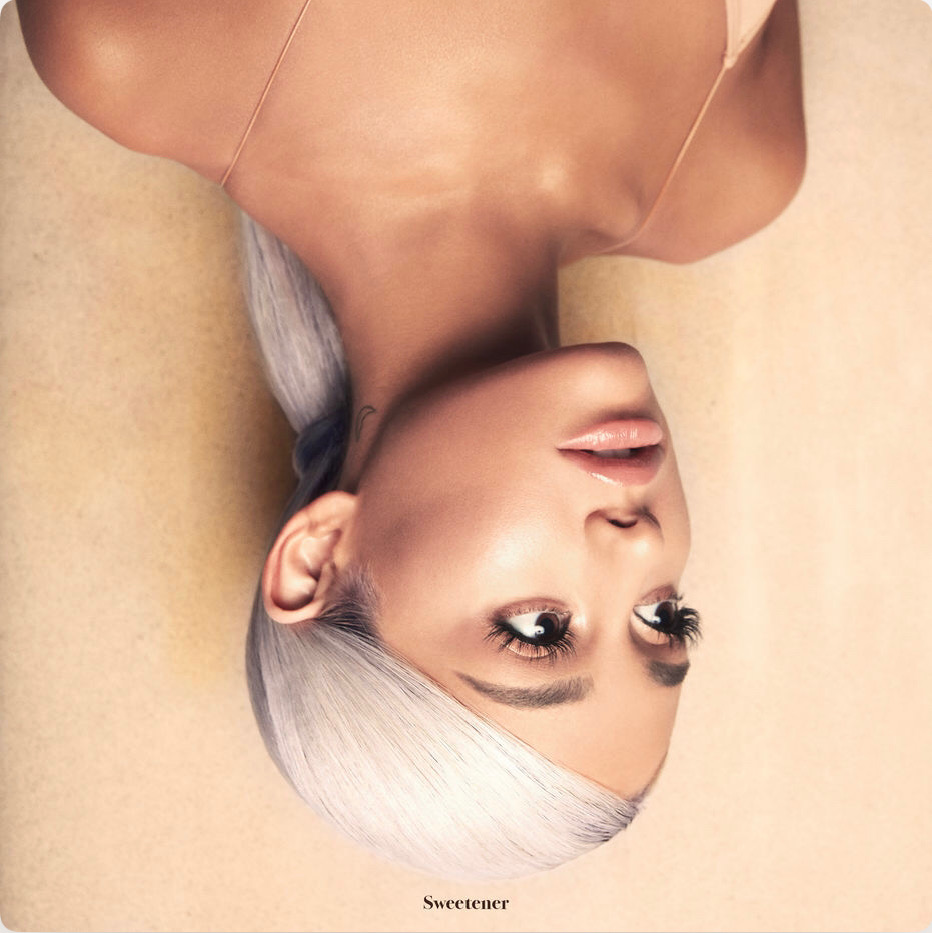
  • Ariana Grande – Breathing

Reportedly inspired by the anxiety attacks she began experiencing after the tragic events of Manchester, there is something so affirming about having a superstar describe anxiety and her coping mechanisms. If you have anxiety yourself I think the whole song so brilliantly captures that and reinstates you are not alone.

  • One Republic – Burning Bridges

I suppose this could be classed as a love song. I’ve included this here because I think one of the hardest things you can do is to be apart from those you care about the most. This song gave me hope when it seemed everyone around me didn’t understand me. Whatever your situation is, it is solely for you to make it work or not.

Design a site like this with WordPress.com
Get started